

What Should You Expect After Kidney Cancer Surgery?
December 16th, 2025 by admin
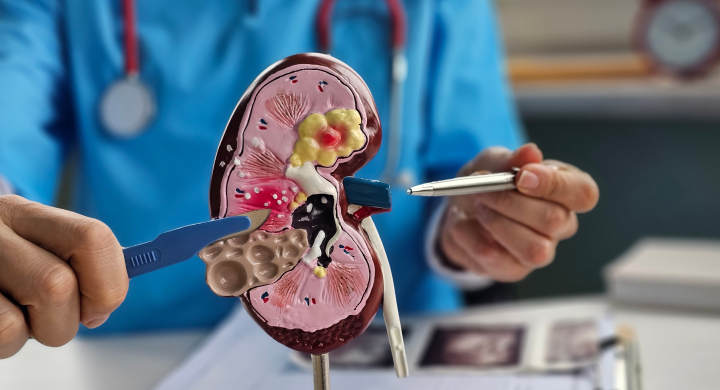
Every year in the UK, more than 13,000 people are diagnosed with kidney cancer, and in the US, nearly 680,000 people live with the disease. It is one of the most common cancers in the world, claiming thousands of lives each year. This diagnosis often comes unexpectedly. It leaves behind shock and a host of questions. The most important one that every patient asks themselves upon hearing the need for surgery is, “What happens NEXT?”
Surgery is the most effective method for treating kidney cancer in its early stages. However, the road to recovery is measured by more than just hours in the operating room. It is a multi-week, sometimes multi-month recovery process. Moreover, you should be prepared for this.
This article will answer the most important questions about kidney cancer surgery. You’ll learn what to expect after surgery. You’ll also learn how to support your body and mind correctly during this important period. The goal is not just to overcome the disease but to restore your quality of life.
The Role of Surgery for Kidney Cancer
Surgery is often the primary and most effective treatment, especially in the early stages, when the tumor is confined to the kidney. In such cases, surgery is sometimes the only necessary treatment and can lead to a complete cure. Modern urological oncology offers a wide range of surgical approaches. The goal is always the same: to remove cancer cells as completely as possible while maintaining quality of life.
Types of Surgery
Surgical techniques are divided into two main categories: radical removal and organ preservation.
Radical nephrectomy involves removing the entire kidney, the surrounding fatty tissue, the fascia, and, often, nearby lymph nodes. Traditionally, this method is performed through a single, large incision. This open surgery provides the surgeon with direct access. However, today, specialists are increasingly using laparoscopic and robotic-assisted laparoscopic nephrectomy. These minimally invasive techniques significantly shorten the kidney cancer recovery period, reduce pain, and allow a quicker return to everyday life without sacrificing effectiveness.
Partial nephrectomy is a precise, organ-preserving procedure. The surgeon removes only the tumor itself with a small margin of healthy tissue, preserving the functioning portion of the kidney. This is the gold standard for tumors up to 7 cm in size, especially in patients at risk of renal failure. The surgeon can perform it using open, laparoscopic, or robotic techniques. The latter, thanks to 3D visualization and the increased precision of robotic manipulator movements, has become a true breakthrough. It allows for complex kidney suturing with minimal risks.
When Cancer Has Spread beyond the Kidney
If examinations indicate a risk of spread, the doctor may supplement the surgery with lymphadenectomy, which is the removal of regional lymph nodes to determine the stage and prevent recurrence accurately. In cases of isolated metastases in other organs, the doctor may recommend surgical resection to achieve long-term remission. Even with extensive disease, palliative surgery to remove the primary kidney tumor can significantly relieve pain and bleeding, improving quality of life.
Weigh the Risks and Benefits
Like any major procedure, kidney surgery carries certain risks. These include reactions to anesthesia and infection, damage to adjacent organs, bleeding, or urine leakage. However, in the hands of an experienced urologic oncology team, these risks are minimized. Your doctor will thoroughly discuss all possible complications, the pain management plan, and the recovery phases with you. The key to success is an open dialogue with your surgeon, an understanding of the surgical goals, and thorough preoperative preparation. In the fight against kidney cancer, a properly chosen and expertly performed surgery is often the most potent and decisive step toward defeating the disease. So, to mentally prepare for surgery, you need to know what to expect. Now you’ll learn about the first hours, days, and weeks after surgery. This will help you make an informed decision.
The First Hours after Surgery: What You’ll Feel
You’ll likely wake up in the recovery room or intensive care unit. You may feel drowsy, and there may be mild pain in the area of your incisions. You may be given an oxygen mask or nasal cannula to support your breathing.
Medical equipment may be nearby:
- A catheter to drain urine.
- A drain near the wound to collect fluid (the doctor will remove it within a week).
- An intravenous (IV) catheter for anesthetic and fluid drips.
- A finger monitor to monitor your pulse and blood oxygen levels.
- A blood pressure cuff.
You can drink (tea, broth) when you feel ready. Most patients return to a regular diet within 2-3 days.
Hospital Stay
Patients typically spend 3 to 5 days in the hospital, sometimes less.
On the first day after surgery, the medical staff will:
- Monitor your blood pressure, pulse, and temperature.
- Check the wound condition and pain level.
- Monitor your urine output.
- Give you an injection to reduce the risk of blood clots.
Get up and move around a little. This reduces the risk of complications.
Home Recovery
Superficial sutures take about two weeks to heal. It may take up to 3 months to feel fully recovered. You will typically take painkillers for the first week. Sutures can be self-dissolving or conventional. The latter doctor will remove it after 8-10 days at a doctor’s appointment. Approximately 6 weeks after surgery, you will have a routine checkup with a specialist.
Kidney Cancer Recovery After Surgery: Precautions
The first month and a half after surgery is the most crucial period. Your body lays the foundation for a full recovery. You should follow a gentle regimen to allow the internal sutures and muscles to heal without unnecessary strain.
- Avoid lifting any object heavier than 5 kilograms.
- Avoid bending forward too deeply or too quickly. To pick something up from the floor, it’s best to carefully squat down, keeping your back straight.
- Postpone jogging, strength training, vigorous gardening, or general cleaning. Your physical activity now should consist of leisurely walks.
- Do not drive a car for the first 4-6 weeks.
- Drink about 1.5-2 liters per day. It helps the remaining kidney function and detoxifies the body. Add natural sources of fiber to your diet. Eat baked apples, prunes, oatmeal, and bran. This is a gentle and healthy way to improve bowel function.
- Don’t fight fatigue. Get enough sleep.
- Until your stitches have completely healed (usually 2-3 weeks), prioritize showers. Avoid baths and swimming.
- Your doctor may recommend wearing compression stockings for the first two weeks. This helps your veins maintain their tone.
Every day of this regimen brings you closer to fully returning to your regular routine.
Potential Risks and When to Be Alarmed
Surgery is lifesaving, but it’s important to be aware of potential complications. In 2-10% of patients, the following may occur:
- Bleeding requiring a transfusion or reoperation.
- Lung puncture with drainage.
- Infections).
- Rarely (less than 2%), damage to adjacent organs, problems with anesthesia, or cardiovascular problems requiring intensive care may occur. Kidney removal carries a very low mortality rate—less than 1% with laparoscopic surgery.
Contact your doctor immediately if you notice:
- Chest pain.
- Fever.
- Redness, swelling, a feeling of warmth, or purulent discharge from the wound.
- Throbbing pain in the surgical area.
Prognosis after Surgery
Histology results will be available in 2-3 weeks. They will determine further treatment.
In the early stages, surgery often leads to a complete cure, sometimes in combination with:
- Targeted therapy.
- Immunotherapy.
- Radiation or chemotherapy.
Approximately one-third of patients already have metastases at diagnosis. In such cases, surgery helps slow the disease and improve quality of life.
According to the study, the 5-year survival rate after kidney removal for renal cell carcinoma (which accounts for more than 90% of kidney cancer cases) is as follows:
| Stage 1: | 97.4% |
| Stage 2: | 89.9% |
| Stage 3: | 77.9% |
| Stage 4: | 26.7% |
Data based on an analysis of nearly 90,000 patients in the United States treated from 2004 to 2015.
You Won’t Be Left Alone with Your Recovery
The road to recovery after kidney surgery requires not only time but also professional, attentive support. At Orange County Urology Associates, we understand how crucial every step is to a full return to life.
Our urology specialists will provide you with a personalized care plan tailored to your surgery and health. We will provide clear and understandable recommendations for recovery at home. We guarantee continuous support and open communication to answer any questions and promptly respond to any alarming symptoms. We coordinate follow-up treatment based on histology results, including targeted therapy or immunotherapy if necessary.
If you or a loved one is facing kidney cancer surgery, entrust this difficult period to the professionals at Orange County Urology Associates, your leading urology care center in Southern California. You will feel our support every step of the way. We look forward to hearing from you.
- June 2026
- May 2026
- April 2026
- March 2026
- February 2026
- January 2026
- December 2025
- November 2025
- October 2025
- September 2025
- August 2025
- July 2025
- June 2025
- May 2025
- April 2025
- March 2025
- February 2025
- December 2024
- November 2024
- October 2024
- September 2024
- August 2024
- July 2024
- June 2024
- September 2020
- October 2018
- December 2017
- January 2017
- August 2016
- January 2016
- April 2015
- January 2014
- April 2013
- March 2013
- February 2013
- January 2013
- June 2012
- May 2012
- February 2012
- January 2012
- March 2011
- January 2011


