

Why Are Urinary Tract Infections More Common in Women?
August 17th, 2026 by Poone Shoureshi
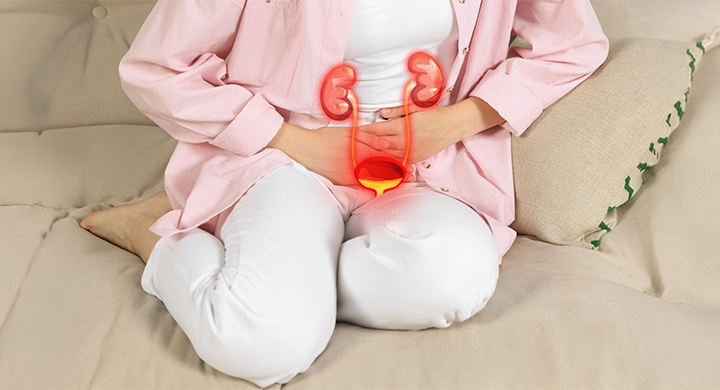
Women are diagnosed with urinary tract infections much more often than men. The primary causes are biological. When does a urinary tract infection develop? A urinary tract infection develops when bacteria, such as E. coli from the digestive tract, enter the urinary system and multiply in the bladder or reach the kidneys. Approximately 50–60% of women experience a UTI at least once in their lives. Up to 1 in 3 women will experience a recurrence within six months. At Orange County Urology Associates, UTIs are one of the most common reasons women visit their doctor. Let’s talk about the symptoms of urinary tract infection in women. We’ll also tell you how to protect yourself from the disease.
The Anatomical Reasons for Urinary Tract Infection in Women
The main cause of urinary tract infections in women is anatomical differences. The urethra is the tube that carries urine out of the body. The urethra is only about 1.5–2 inches long in women, while in men it is approximately 6 inches. Bacteria simply have a much shorter distance to travel before reaching the bladder, where they can take hold and multiply.
Three anatomical factors contribute to this major length difference:
- Proximity to sources of bacteria. The urethral opening in women is located close to both the vagina and the anus. This places it near two natural reservoirs of bacteria, including E. coli. E. coli is the cause of more than half of all bladder infections.
- Delicate tissue. The tissue around the urethral opening is primarily composed of mucous membranes. This thin, moist lining is similar to the inside of the mouth. It is more easily irritated than the skin elsewhere on the body, giving bacteria an opportunity to gain a foothold.
- Lack of a natural barrier. The male urethra passes through the prostate gland and benefits from antibacterial prostatic secretions. The female urethra has no comparable built-in protection.
Common Causes of Urinary Tract Infections in Women
While anatomy sets the stage, specific triggers are usually responsible for allowing bacteria to enter the bladder in sufficient numbers to cause a symptomatic infection. The most common causes of urinary tract infections in women include:
- Sexual activity. Sexual intercourse can physically move bacteria from the vagina and perineum to the urethral opening. This is why many women notice a pattern between sex and infection.
- Certain contraceptive methods. Diaphragms and spermicides can irritate vaginal tissue. In the case of diaphragms, they put pressure on the urethra, preventing complete emptying of the bladder.
- Incomplete bladder emptying. Urine remaining in the bladder gives bacteria more time to multiply.
- Dehydration. Concentrated urine and infrequent urination reduce the natural flushing effect that clears bacteria from the urinary tract.
- Prolonged urinary retention. This allows any bacteria present to establish themselves in the bladder mucosa.
A Note on the Vaginal Microbiome
New research on the urinary and vaginal microbiomes has changed the way urologists approach recurrent urinary tract infections. They no longer view infection as an isolated event. Current data indicate a consistent relationship between the bacterial balance of the vagina and the ease with which uropathogens can colonize the bladder. Sometimes this balance is disrupted by antibiotics, hormonal changes, or dysbiosis. This increases the risk of urinary tract infections.
Risk Factors of UTI in Females
Certain conditions and life stages raise the overall risk factors of UTIs in females considerably. The table below summarizes the most significant ones our urologists screen for.
| Risk Factor | Why It Increases UTI Risk |
|---|---|
| Pregnancy | Hormonal shifts and pressure from the growing uterus slow urine flow and can allow bacteria to travel toward the kidneys more easily. |
| Menopause | Declining estrogen thins vaginal and urethral tissue and reduces protective Lactobacillus, making the urinary tract more vulnerable. |
| Sexual activity / new partner | Increases the chance of bacteria being introduced near the urethral opening. |
| Diaphragm or spermicide use | Irritates tissue and can obstruct complete bladder emptying. |
| History of prior UTIs | Each infection can alter the local microbiome, making the next one more likely. |
| Diabetes or a weakened immune system | Elevated blood sugar and reduced immune defenses give bacteria a more favorable environment. |
| Urinary catheter use | Provides a direct pathway for bacteria to bypass normal urethral defenses. |
| Kidney stones or structural abnormalities | Can obstruct urine flow, allowing bacteria to accumulate. |
Pregnancy and Menopause: Two Hormonal Turning Points
Two stages of a woman’s reproductive life deserve special attention. During pregnancy, hormonal changes relax the muscles of the ureters and slow the flow of urine. Furthermore, the expanding uterus puts physical pressure on the bladder. This combination increases the risk of infection spreading to the kidneys if left untreated. Untreated urinary tract infections during pregnancy pose real risks to both mother and baby, so it’s important not to delay a visit to the doctor.
During and after menopause, declining estrogen levels thin the tissue lining the vagina and urethra and reduce the number of protective vaginal bacteria. Doctors increasingly recognize this combination as a major cause of recurrent infections in older women. In women over 55 with recurrent urinary tract infections, those who used vaginal estrogen therapy had approximately half the rate of sepsis and a threefold lower mortality risk than those who did not use it. This underscores how significantly hormonal treatment can change outcomes in this population.
The Symptoms of a Urinary Tract Infection in Women
The symptoms of urinary tract infection in women vary depending on whether the infection is confined to the bladder or has reached the kidneys.
| Lower UTI (Bladder) | Upper UTI (Kidney) — Seek Care Promptly |
|---|---|
| Burning or pain with urination | Fever and chills |
| Frequent, urgent need to urinate | Pain in the back or side (flank pain) |
| Passing only small amounts of urine at a time | Nausea or vomiting |
| Cloudy, dark, or strong-smelling urine | Fatigue or general malaise |
| Mild pelvic pressure or discomfort | All lower UTI symptoms, often more severe |
| Blood-tinged urine (occasionally) | Confusion (particularly in older adults) |
Do you notice fever, back pain, or vomiting alongside urinary symptoms? Don’t wait it out. These can signal a kidney infection that needs urgent evaluation.
Treatment of Urinary Tract Infection in Women
Standard treatment for urinary tract infections in women includes a short course of antibiotics, based on local resistance patterns, and, if necessary, urine culture. Most uncomplicated bladder infections resolve within a few days of treatment, but it is important to complete the full course even after symptoms resolve. Drinking plenty of water and urinating regularly promote recovery, but they do not replace antibiotics once an infection is confirmed.
For women with recurrent infections, treatment has evolved significantly. Our urologists are currently considering the following approaches:
- Vaginal estrogen therapy for perimenopausal and postmenopausal women reduces the frequency of recurrences.
- Using non-antibiotic methods like methenamine salts can help lower the use of antibiotics and the chance of developing resistance.
- Low-dose prophylactic antibiotic therapy is available for selected patients with frequent recurrences. Investigation for underlying causes, including imaging or urodynamic studies, if infections continue to recur despite standard measures.
- Lifestyle modifications: urinating after intercourse, maintaining fluid balance, and reconsidering the use of spermicidal contraceptives if they are a risk factor.
Living With Recurrent UTIs? Let’s Find Out Why
The urologists at Orange County Urology Associates provide advanced diagnostic testing and individualized treatment plans for women dealing with frequent or complicated urinary tract infections.
Find an OCUA location near you.

Poone Shoureshi
Dr. Poone Shoureshi is a board-certified urologist specializing in Female Pelvic Medicine and Reconstructive Surgery. Her expertise includes urinary incontinence, pelvic organ prolapse, fistula repair, complex pelvic and lower urinary tract reconstruction, overactive bladder, and neuromodulation. With extensive experience in robotic and vaginal reconstructive surgery, she works closely with patients to develop individualized treatment plans focused on improving quality of life. A member of the American Urological Association, SUFU, and Society of Women in Urology, Dr. Shoureshi is committed to collaborative, patient-centered care. She speaks English, conversational Spanish, and Farsi. Outside of practice, she enjoys drawing, yoga, and spending time outdoors with her family.
Areas of Expertise: Female Pelvic Medicine and Reconstructive Surgery, Urinary Incontinence, Pelvic Organ Prolapse, Reconstructive Surgery, Overactive Bladder, Neuromodulation, Patient-Centric Care


- August 2026
- June 2026
- May 2026
- April 2026
- March 2026
- February 2026
- January 2026
- December 2025
- November 2025
- October 2025
- September 2025
- August 2025
- July 2025
- June 2025
- May 2025
- April 2025
- March 2025
- February 2025
- December 2024
- November 2024
- October 2024
- September 2024
- August 2024
- July 2024
- June 2024
- September 2020
- October 2018
- December 2017
- January 2017
- August 2016
- January 2016
- April 2015
- January 2014
- April 2013
- March 2013
- February 2013
- January 2013
- June 2012
- May 2012
- February 2012
- January 2012
- March 2011
- January 2011


